I came to Marrakech with a plan. I left with something better — the understanding that the best travel happens when you stop trying to control it.
Marrakech doesn’t slow down for anyone. But if you know where to look — and how to stop looking — it might just be the most meditative city on earth.
The first thing Marrakech takes from you is your sense of direction.
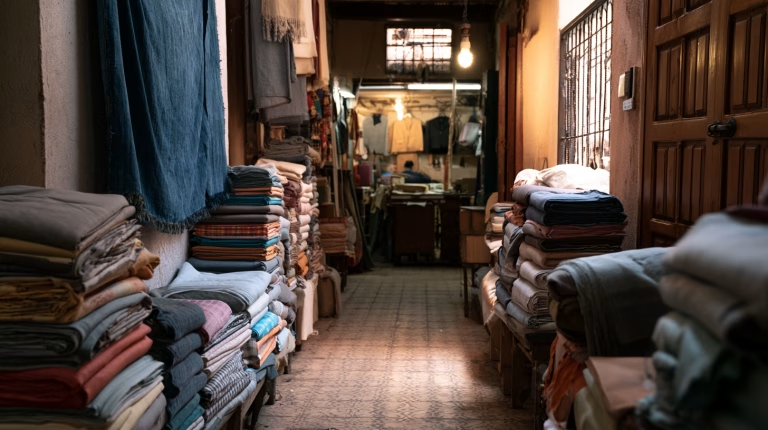
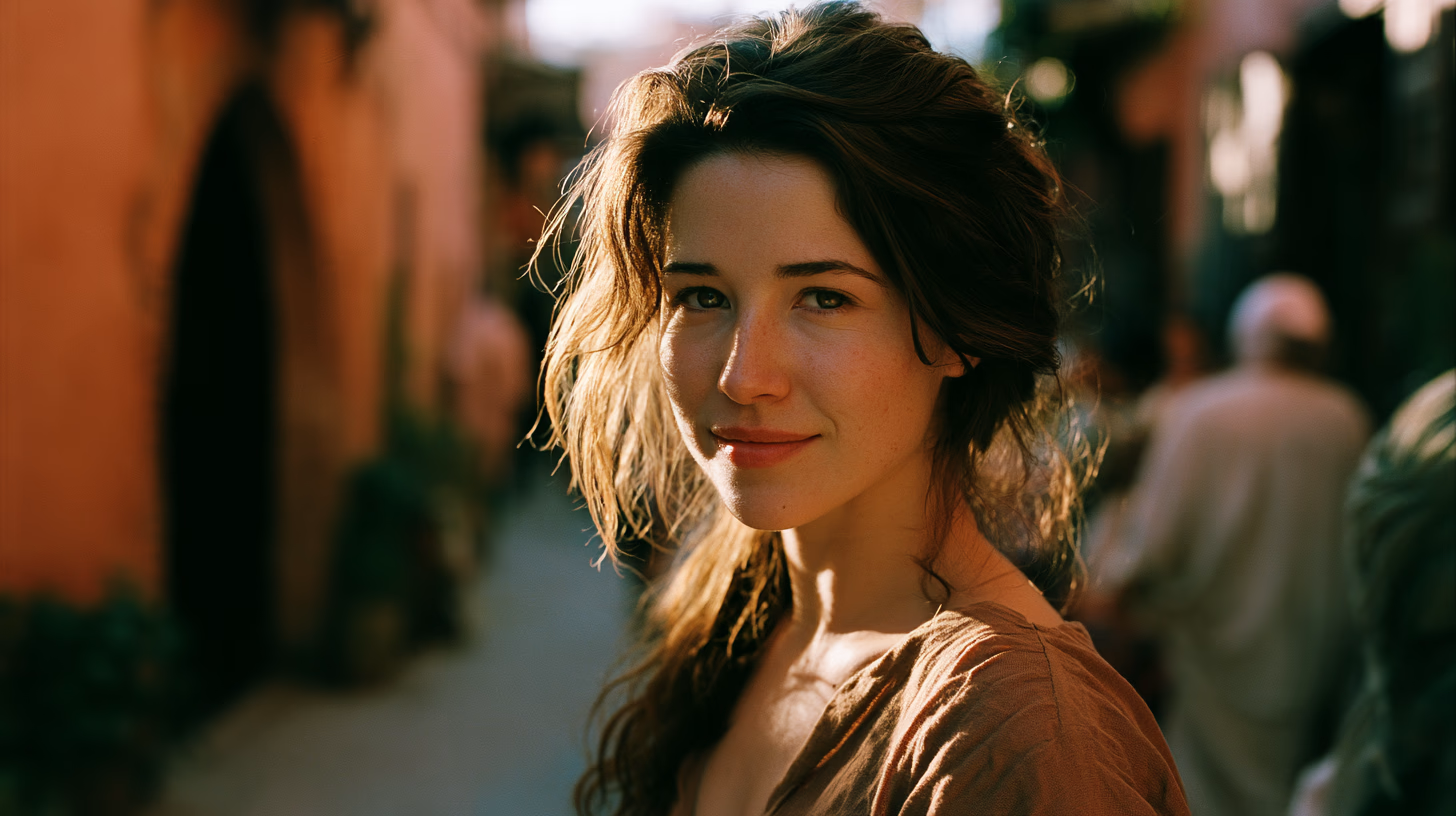
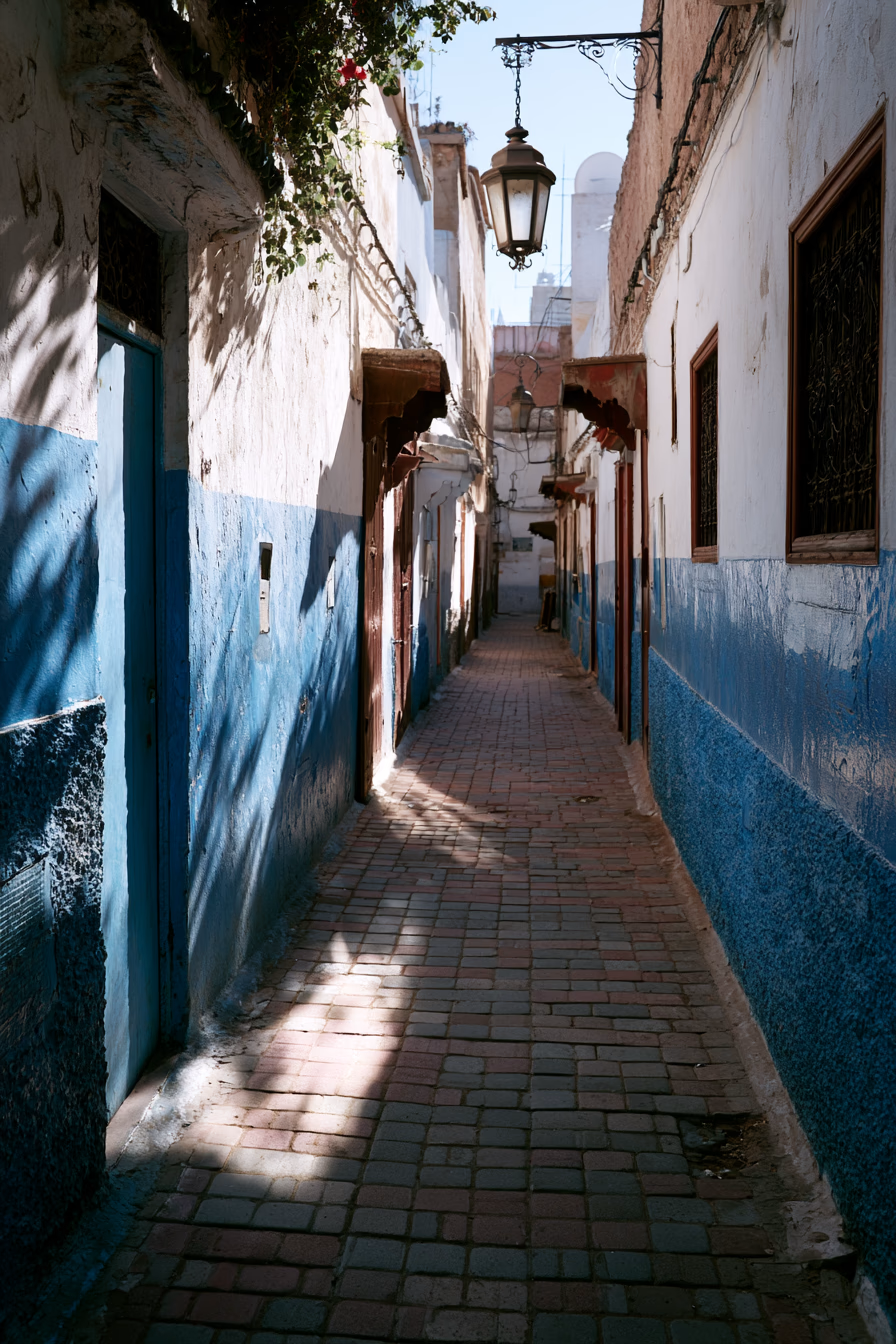
You think you know where you’re going. You have a map, a plan, maybe even a reservation somewhere. And then the medina swallows you whole — its narrow alleys folding into each other like a puzzle with no solution — and suddenly none of that matters anymore.
This is not a bad thing.
♫ What Marrakech whispered into a song
Some places stay with you long after you leave. Marrakech stays in the smell of saffron, the sound of the souks, and this song. A French chanson with North African soul — written for the spice markets, the golden hour and the philosophy of eating with intention.
La Terre qui Nous Nourrit
Terra Lande · Marrakech
Arrive without a plan
Most travelers come to Marrakech with a list. The Jardin Majorelle. The Bahia Palace. The rooftop café with the Instagram view. I’m not saying those things aren’t worth seeing. But if you spend your time ticking boxes, you’ll miss what Marrakech is actually offering you: the chance to be completely, gloriously lost.
Slow travel isn’t about doing less. It’s about being more present with what’s in front of you. And what’s in front of you in Marrakech is always something extraordinary — a door painted a color you’ve never seen before, a woman carrying a basket of fresh mint, a cat asleep in a patch of afternoon sun.
Eat where there is no menu
The best meal I had in Marrakech cost almost nothing and happened by accident.
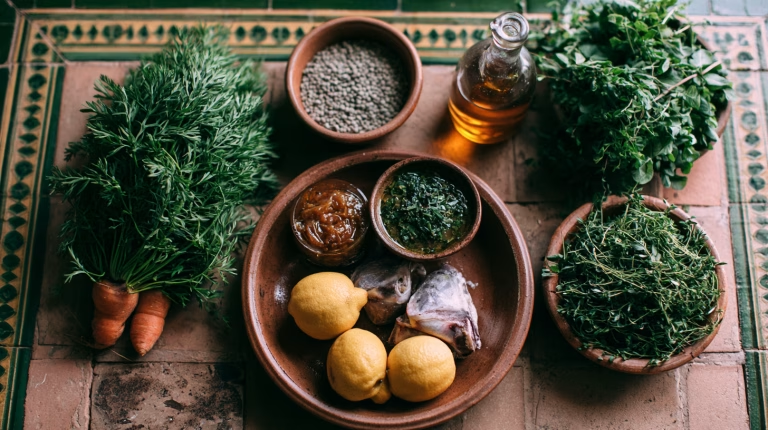
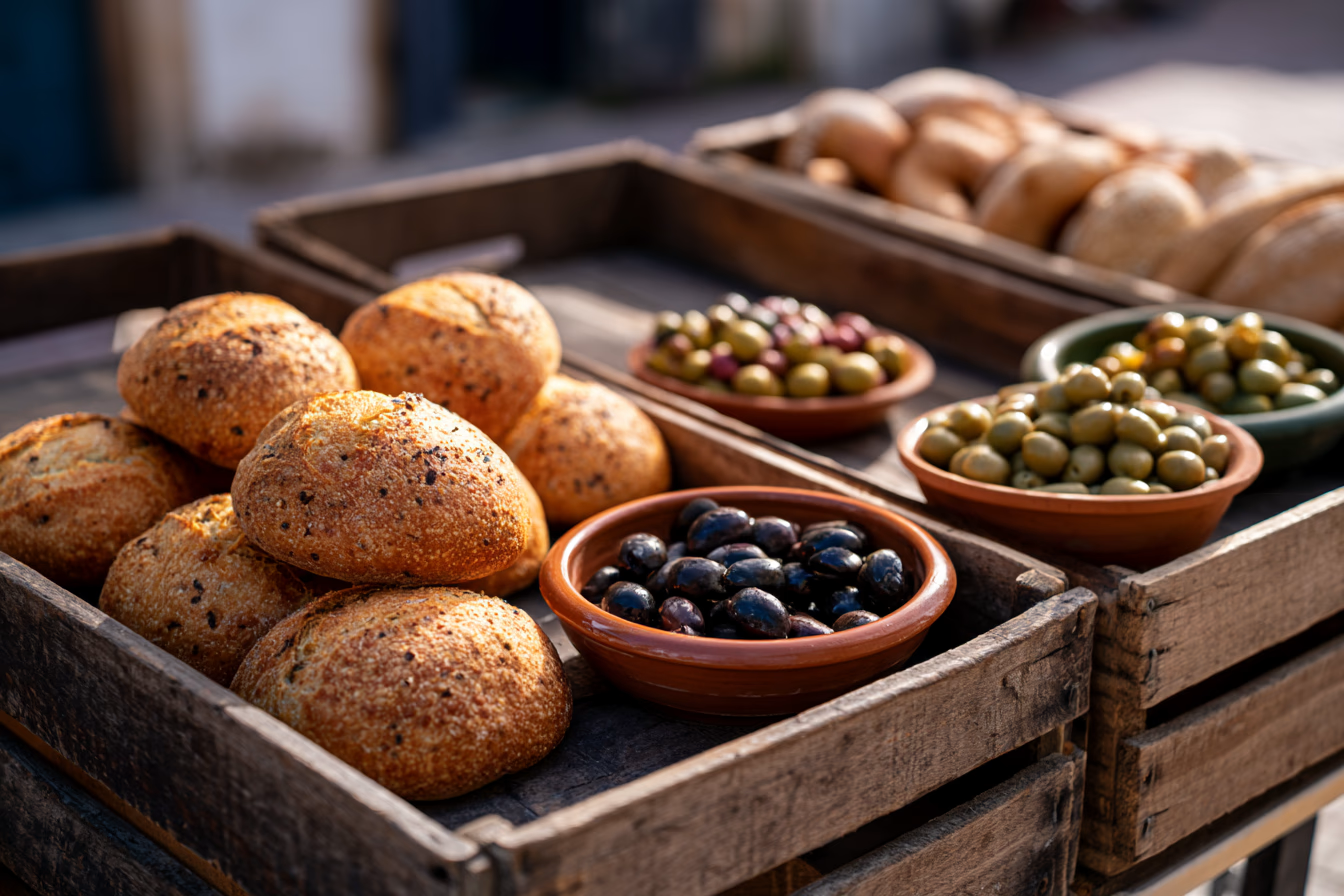
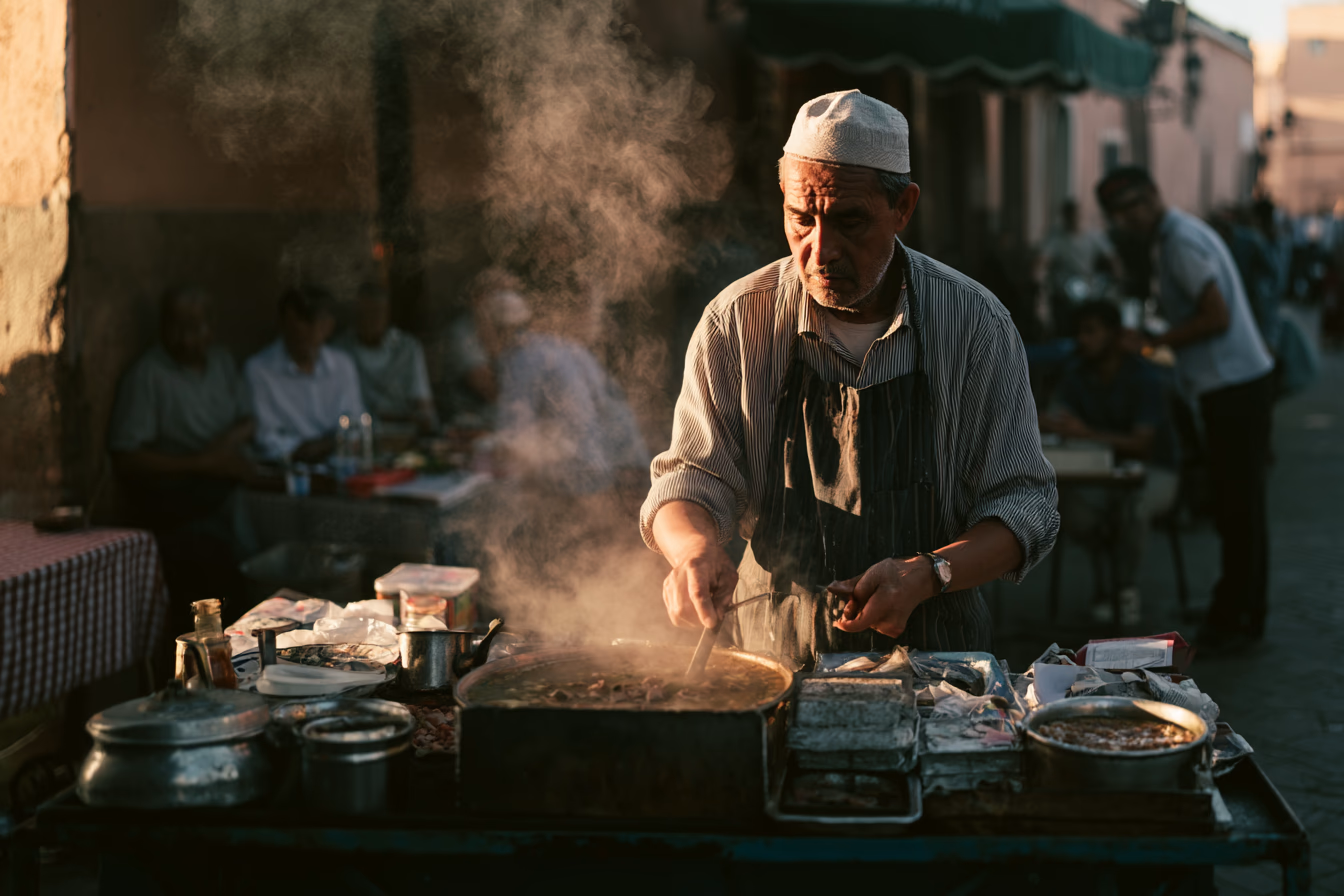
I had walked too far and turned too many corners and ended up in a part of the medina where tourists rarely go. A man was selling bowls of harira from a cart — the thick, spiced tomato and lentil soup that Moroccans have been eating for centuries. I sat on a plastic stool and ate two bowls with a piece of bread and watched the neighborhood go about its afternoon.
That soup tasted like the city itself. Warm, complex, a little chaotic, deeply nourishing.
This is what slow food travel looks like in practice. Not searching for the best restaurant. Finding the right moment. If you want to understand what goes into that bowl, I wrote about the spice markets of Marrakech — where the ingredients come from, and the people who sell them.
Stay in the medina, not near it
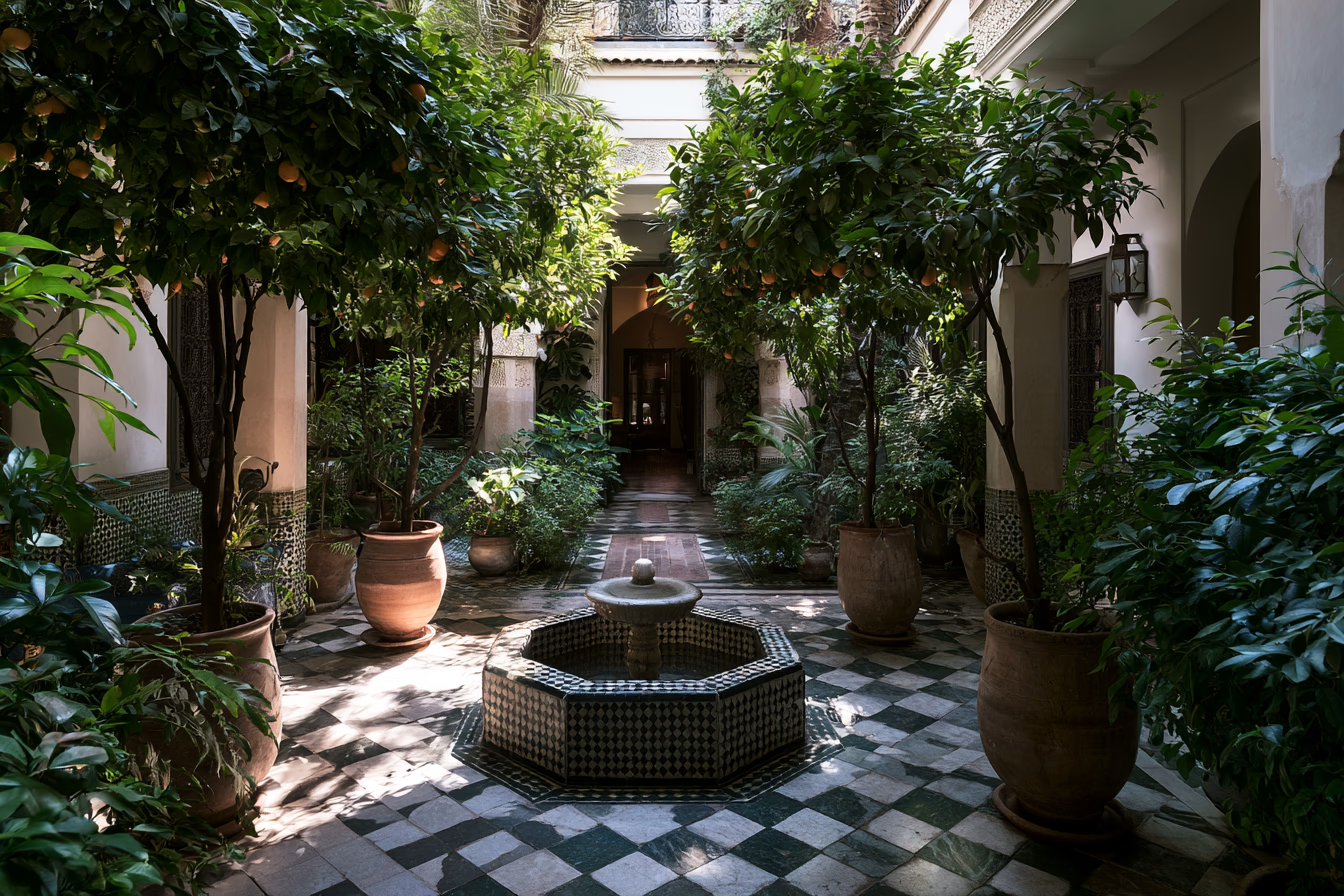
If you’re serious about understanding Marrakech, stay inside the medina walls. A riad — a traditional house built around a central courtyard — is not just accommodation. It’s an education in how to live.
Riads are quiet in a way that seems impossible given the noise just outside their doors. They’re built for the heat, for the family, for the long afternoon. Waking up in one and having breakfast in a courtyard with orange trees overhead is one of the great small pleasures of slow travel.
The medina of Marrakech has been a UNESCO World Heritage Site since 1985 — one of the best-preserved historic city centres in the Arab world.
The spice market at golden hour
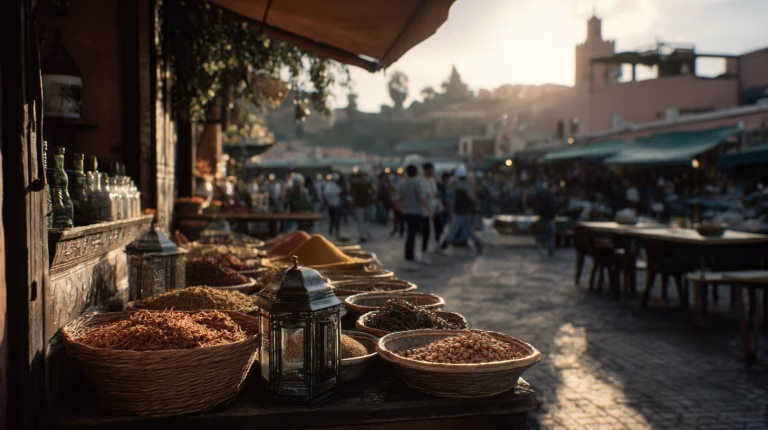
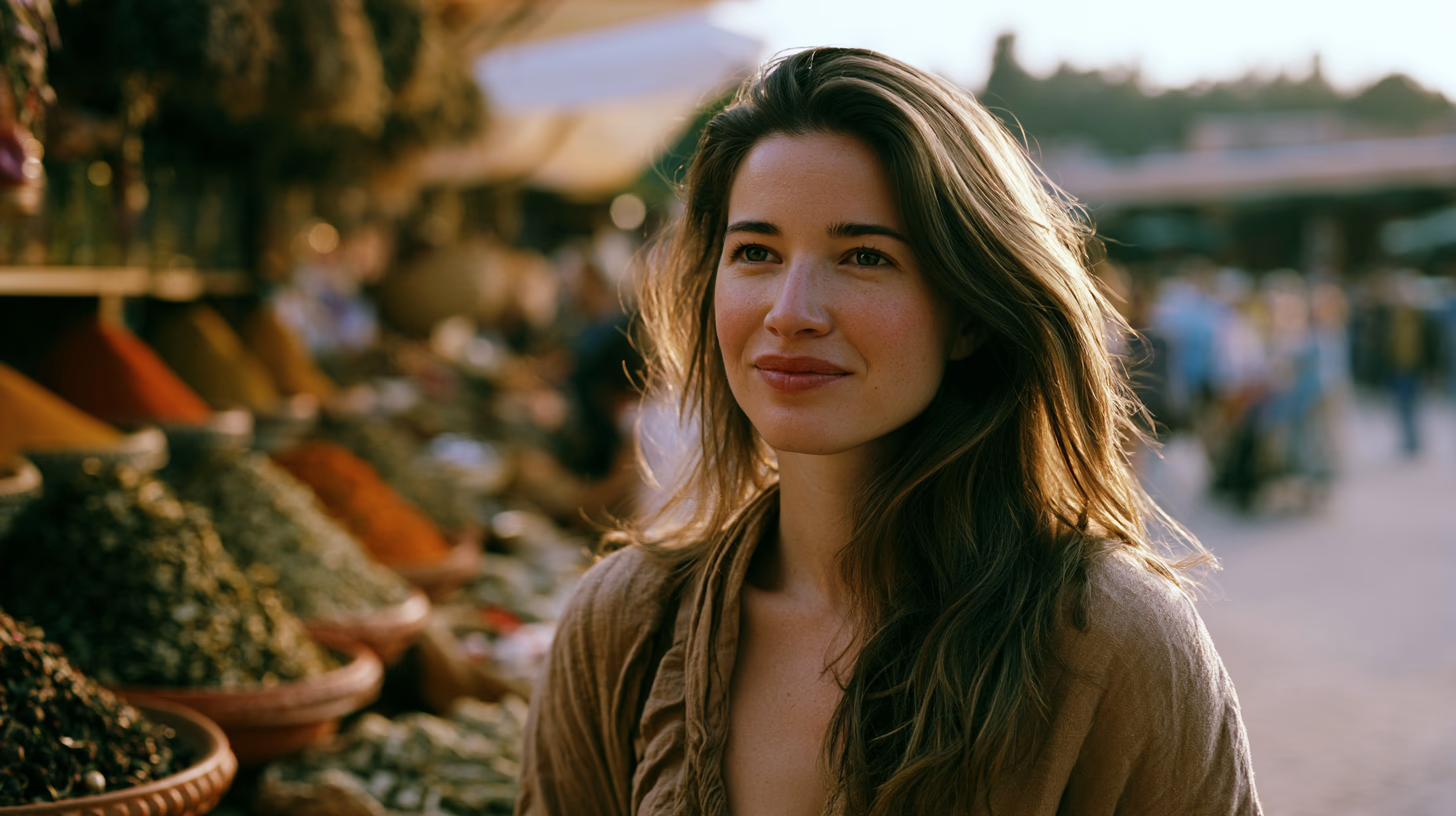
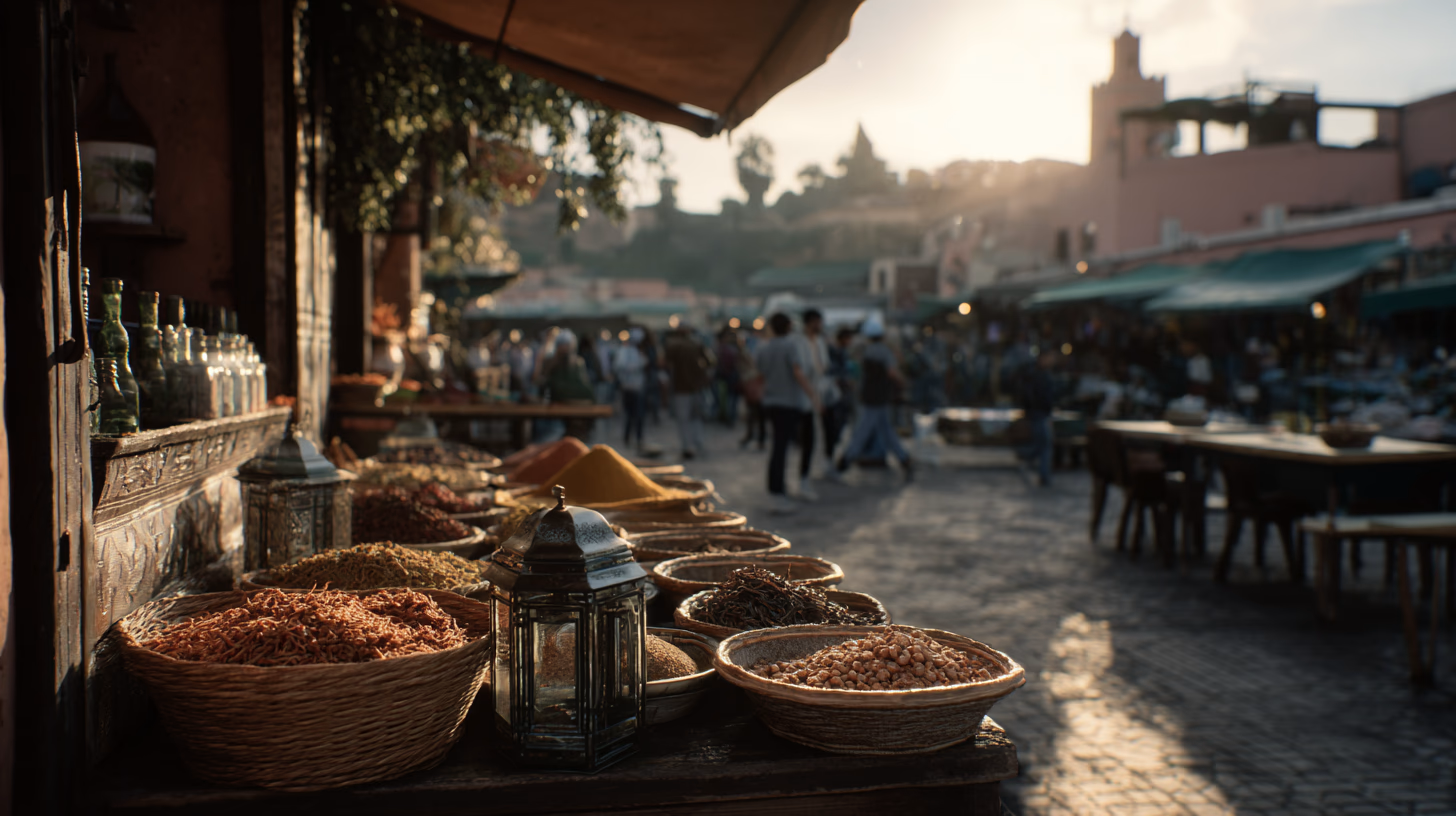
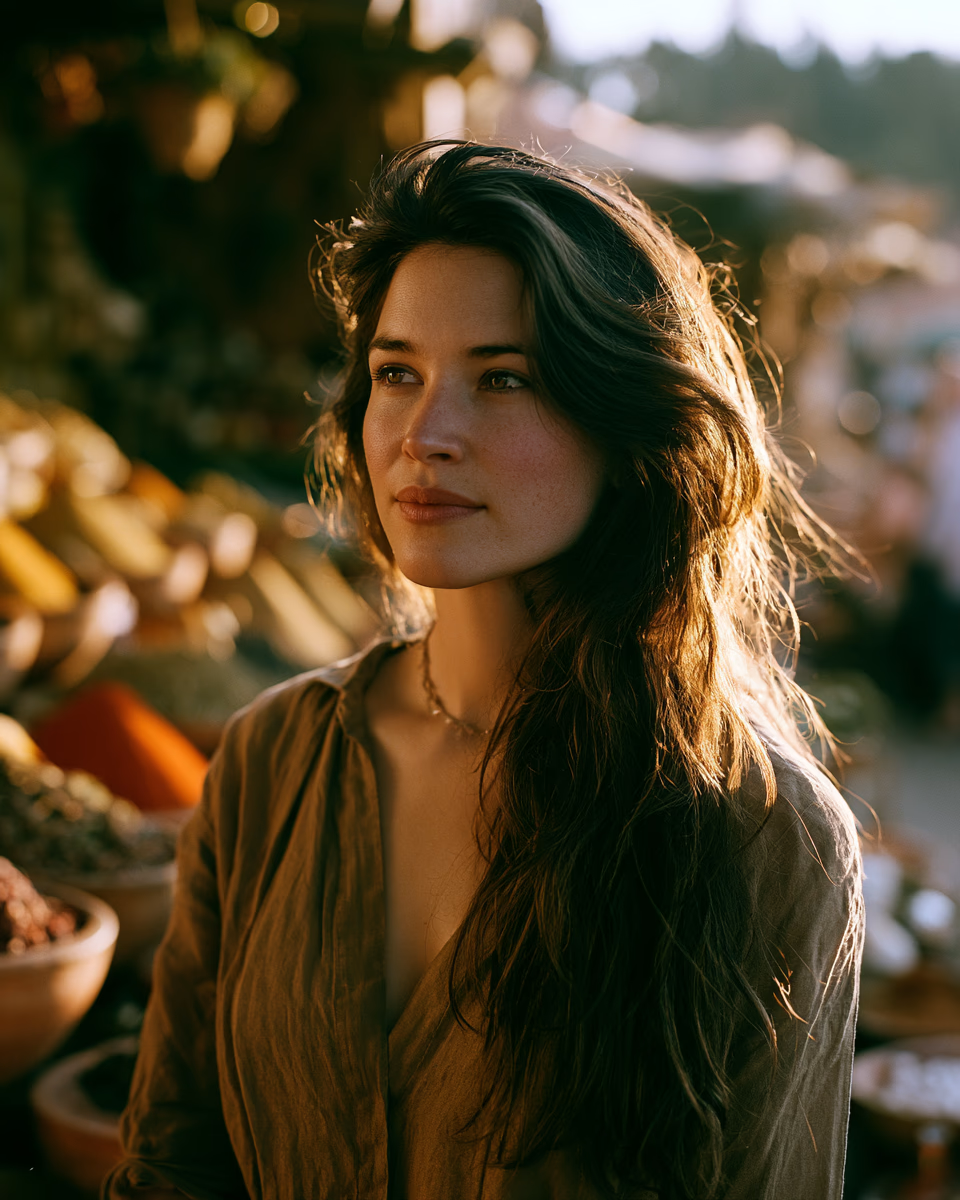
I’ve written before about the spice markets of Marrakech — the colors, the smells, the vendors who’ve been doing this their whole lives. But what I didn’t say is that the best time to be there is late afternoon, when the light turns golden and the day starts to slow down.
The hustle is still there. But it’s softer. The shadows are longer. People are tired in a good way. And if you stand still for a moment — really still — you can feel the city breathing.
That’s the thing about slow travel. You don’t find it by going somewhere special. You find it by stopping.
Explore the medina of Marrakech
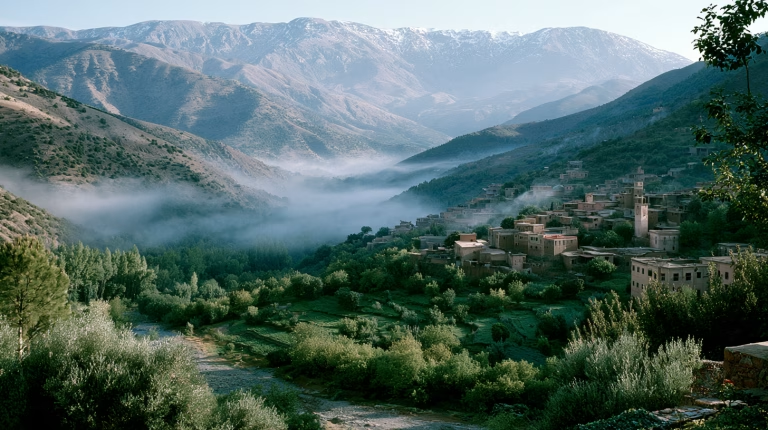
The medina of Marrakech is a UNESCO World Heritage Site — a labyrinth of narrow alleys, ancient riads and bustling souks that has barely changed in centuries.
Practical notes
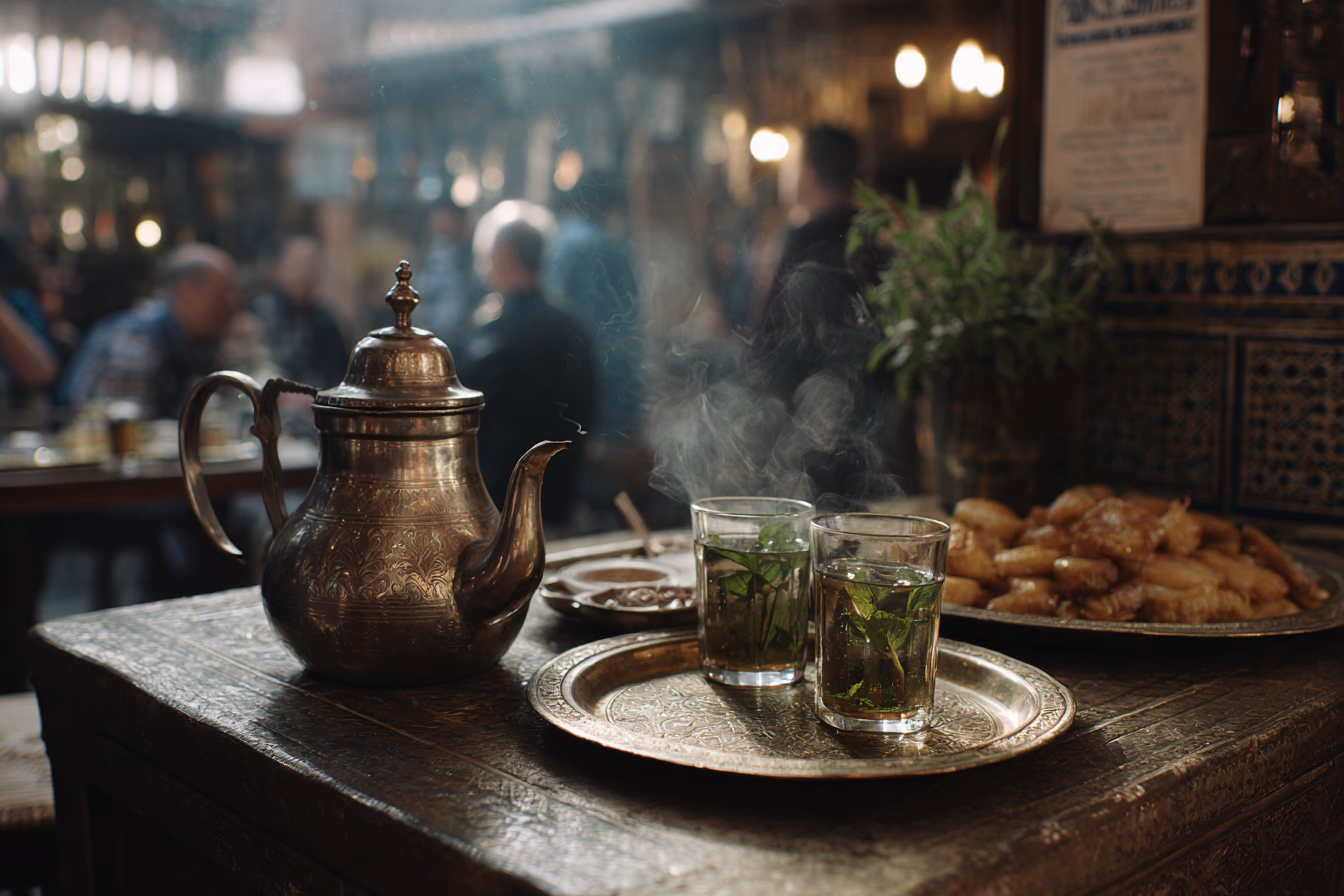
Marrakech is best visited in spring (March–May) or autumn (September–November) when the heat is manageable. The medina is best explored on foot — no cars, no shortcuts, just your own two feet and a willingness to get lost. Carry cash, learn a few words of Arabic or French, and always accept the mint tea.
“You don’t find slow travel by going somewhere special. You find it by stopping.”
A note on safety: Marrakech is generally safe for tourists. The most common issues are pickpocketing in busy souks and unsolicited guides — easily avoided with basic awareness. Keep valuables close, avoid the medina’s quieter alleys after dark, and trust your instincts. The city has a strong tourist police presence and the vast majority of visitors have a wonderful experience.
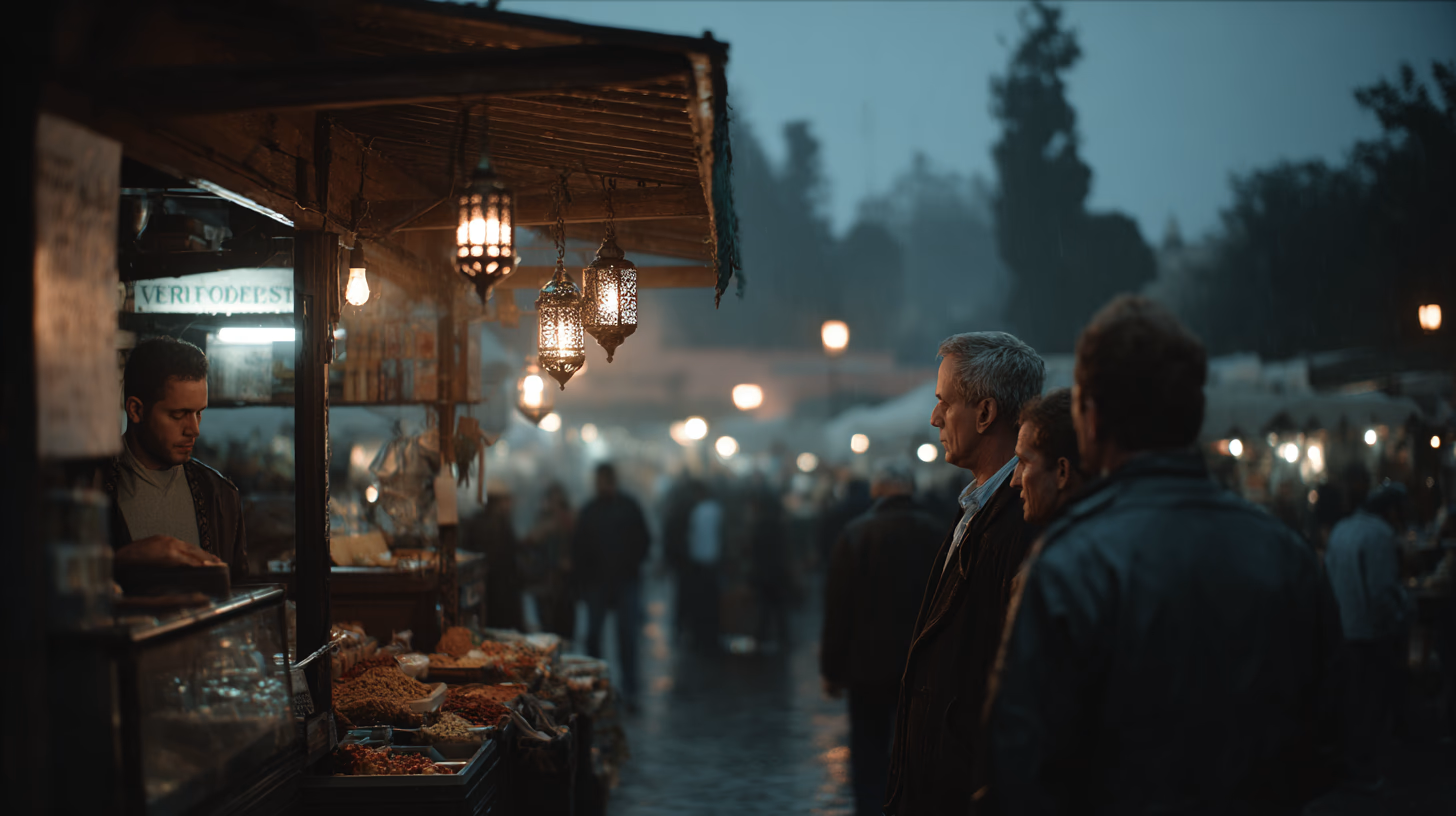
Terra Lande traveled to Marrakech in spring 2026